David Wicker

wicker-01

Humanitarian

Logistics, education and evidence.

Humanitarian work needs what reliable systems need: clear handoffs, named owners and records that hold up. Since 2019 I have organised, taught, documented and coordinated, most recently helping students get out of Gaza and into universities in Europe.

01Evacuations2025–Maastricht University, Italy

Evacuating students from Gaza to universities in Europe

Brought Maastricht University a plan to evacuate and admit students from Gaza, ran it with the university, and helped set up Italy’s IUPALS programme.

In June 2025, working through Code.X and the Gazan Student Support Network, I proposed to Maastricht University that it evacuate and admit students from Gaza. The university had the will; we had the operational knowledge, and work started straight away.

For months I met the university’s Student Service Centre every week, managed each student’s documents, coordinated the issuing of passports with a minister at the Palestinian Authority, and travelled to Rome to collect them in person. In September 2025 the university formally welcomed the students, and I supported them and their families through their first months in Maastricht: housing, school enrolment, everyday life.

The same model informed IUPALS, Italian Universities for Palestinian Students, which I helped establish. Run by the Conference of Italian University Rectors with two ministries, its university corridors had evacuated 229 students from Gaza by May 2026.

All of this happened alongside a full-time degree, my research work at BISS and the programme ambassador role, and it is why my degree is taking longer than three years. No student is named or pictured here.

  1. Jun 2025Proposal to Maastricht University; work begins
  2. Summer 2025Weekly meetings with the Student Service Centre; documents and passports
  3. 2025Passports collected in person in Rome
  4. Sep 2025Students formally welcomed by the university
  5. May 2026IUPALS corridors reach 229 students evacuated to Italy
02Education2024–Code.X, with GSSN

Tutoring and university pathways for students in Gaza

Program coordination at Code.X. I run its Gaza mentorship programme and work with the Gazan Student Support Network on university applications, scholarships and evacuations.

Since October 2023 school in Gaza has largely stopped: classes cancelled, buildings destroyed, families displaced, the internet unreliable. Code.X, a volunteer-run nonprofit from Silicon Valley, and the Gazan Student Support Network (GSSN), a volunteer network of school counsellors and university admissions professionals, work on two halves of the same problem.

Tutoring. The Gaza Mentorship Program pairs high-school students in Gaza with volunteer mentors around the world: weekly video calls and daily text check-ins, help with English, maths, science and computer science, and preparation for the Tawjihi, the SAT or ACT and the Duolingo English Test. As lead coordinator I design and evaluate the programme, recruit mentors and match them with students, and run their training, support and communication. I also teach English and introductory coding myself.

University pathways. With GSSN we help students, displaced or still inside the Strip, apply to universities abroad and win scholarships, and we work with universities that want to set up scholarship places for students from Gaza. An offer is only one step. A student still has to get documents recognised, obtain a visa, be evacuated, arrive, and keep being supported once enrolled, so we coordinate each of those handoffs. The evacuations to Maastricht and Italy, above, came out of this work.

No student is named here. Each institution gets the information it needs for its decision and nothing more, and the student can pause or withdraw at any point.

  1. ApplyProgramme fit, applications, test scores, scholarships
  2. DocumentsCredentials, translation and recognition, identity papers
  3. EvacuationVisas, evacuation, travel and contingency plans
  4. ArrivalRegistration, housing, insurance, banking
  5. ContinuityAcademic, financial and personal support after enrolment
03DocumentationApr 2025West Bank

Human rights documentation mission, West Bank

Fifty-six locations documented. The findings went to the office of the UN Special Rapporteur on the occupied Palestinian territories.

I took part in a documentation mission across the West Bank in April 2025. Its results were submitted to the office of the UN Special Rapporteur on human rights in the Palestinian territories, and I continue the work with established human rights organisations. The public atlas is built from my part of the fieldwork.

Every published image has a caption, a creator and rights record, a sensitivity review and, where a person could be identified, a consent status. Published copies are stripped of location metadata. No frame is generated, extended or restaged, and the original captures stay private.

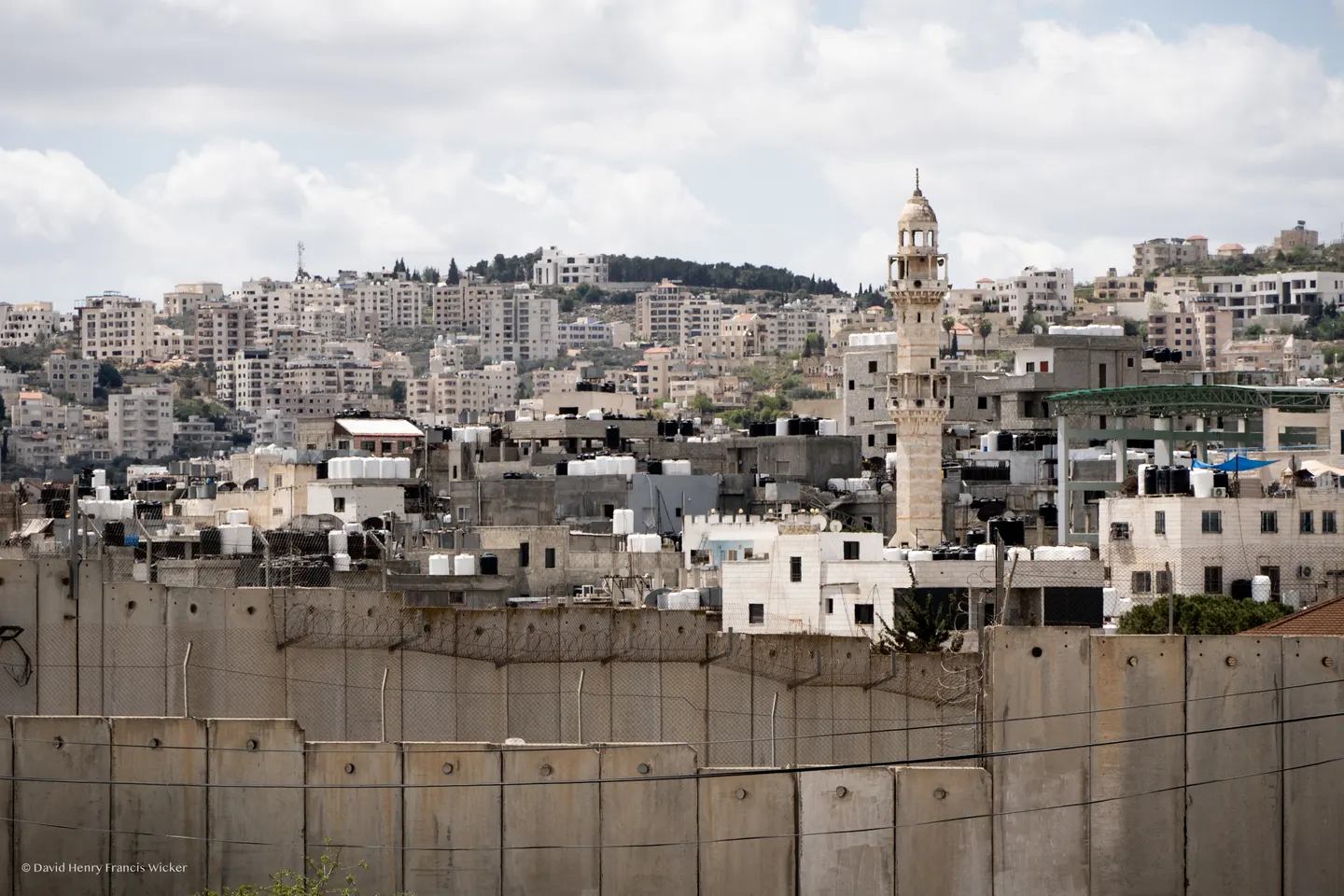
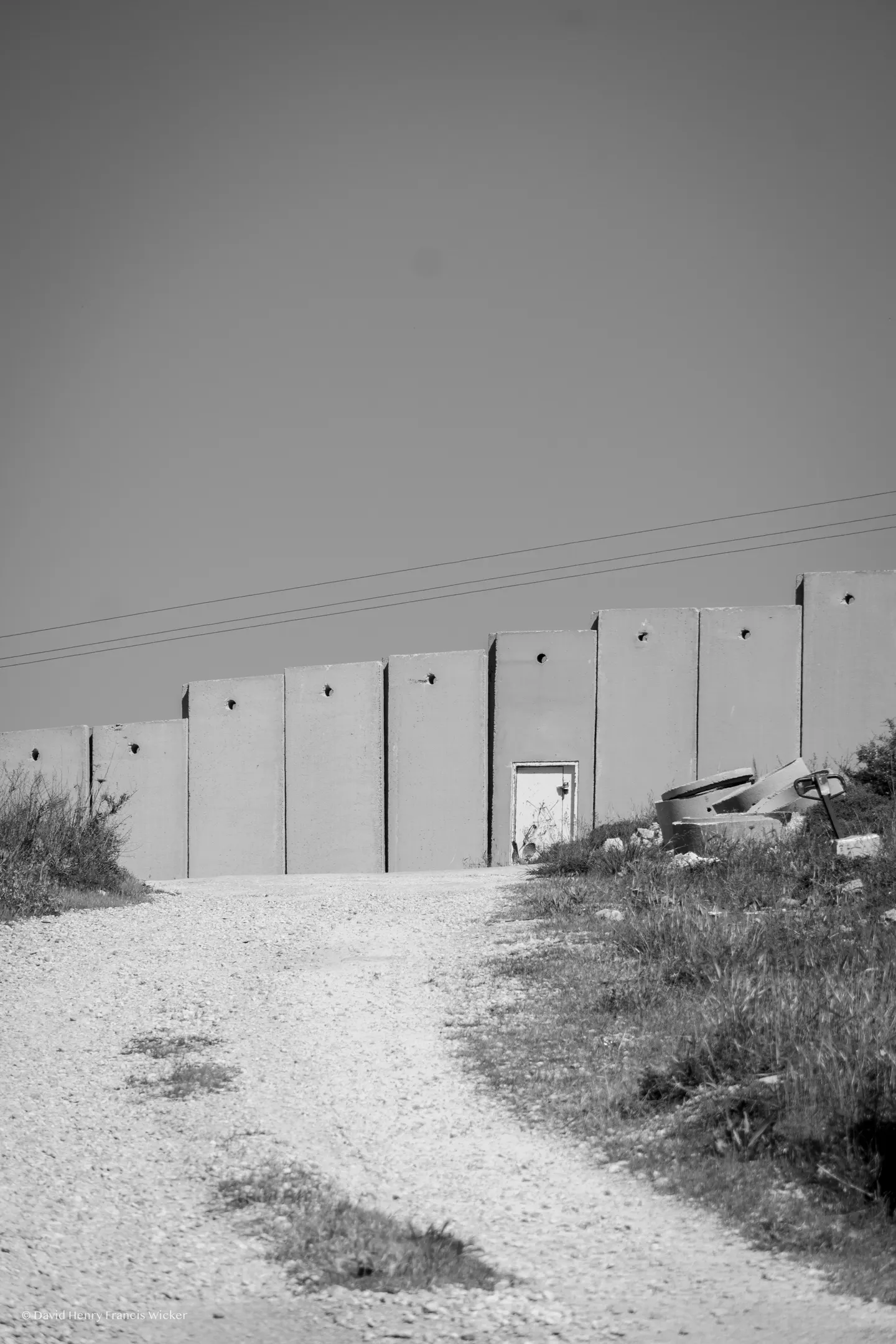
A pale concrete separation wall cuts across a gravel landscape beneath an overcast sky.
The wall appears first as geography. Separation wall.
Bethlehem rises behind the concrete separation wall, with dense buildings extending across the hillside.
Bethlehem, read through the infrastructure around it. Bethlehem.
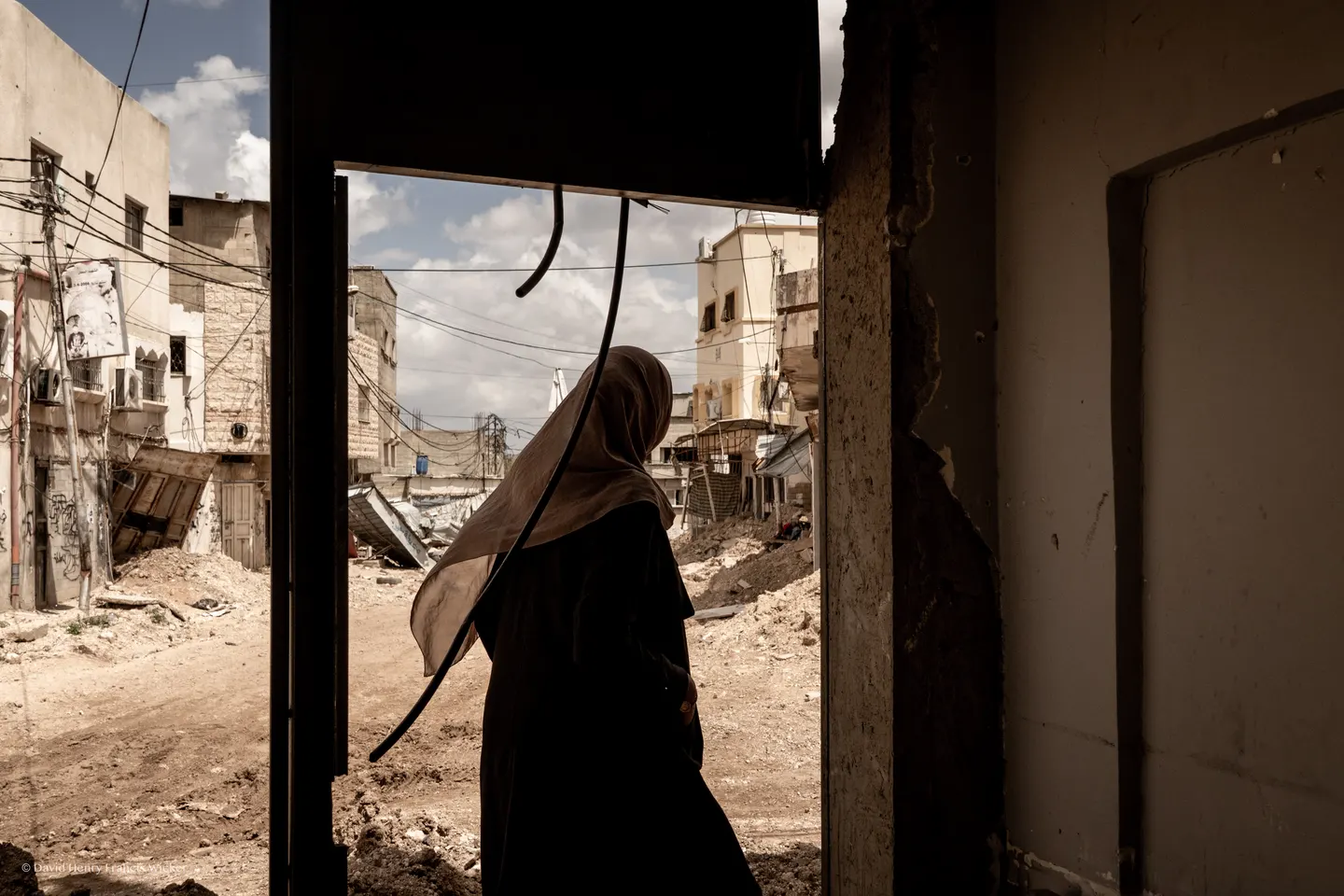
A Red Crescent volunteer walks through a damaged street in Tulkarm Refugee Camp.
The camp after a military incursion. Tulkarm refugee camp.
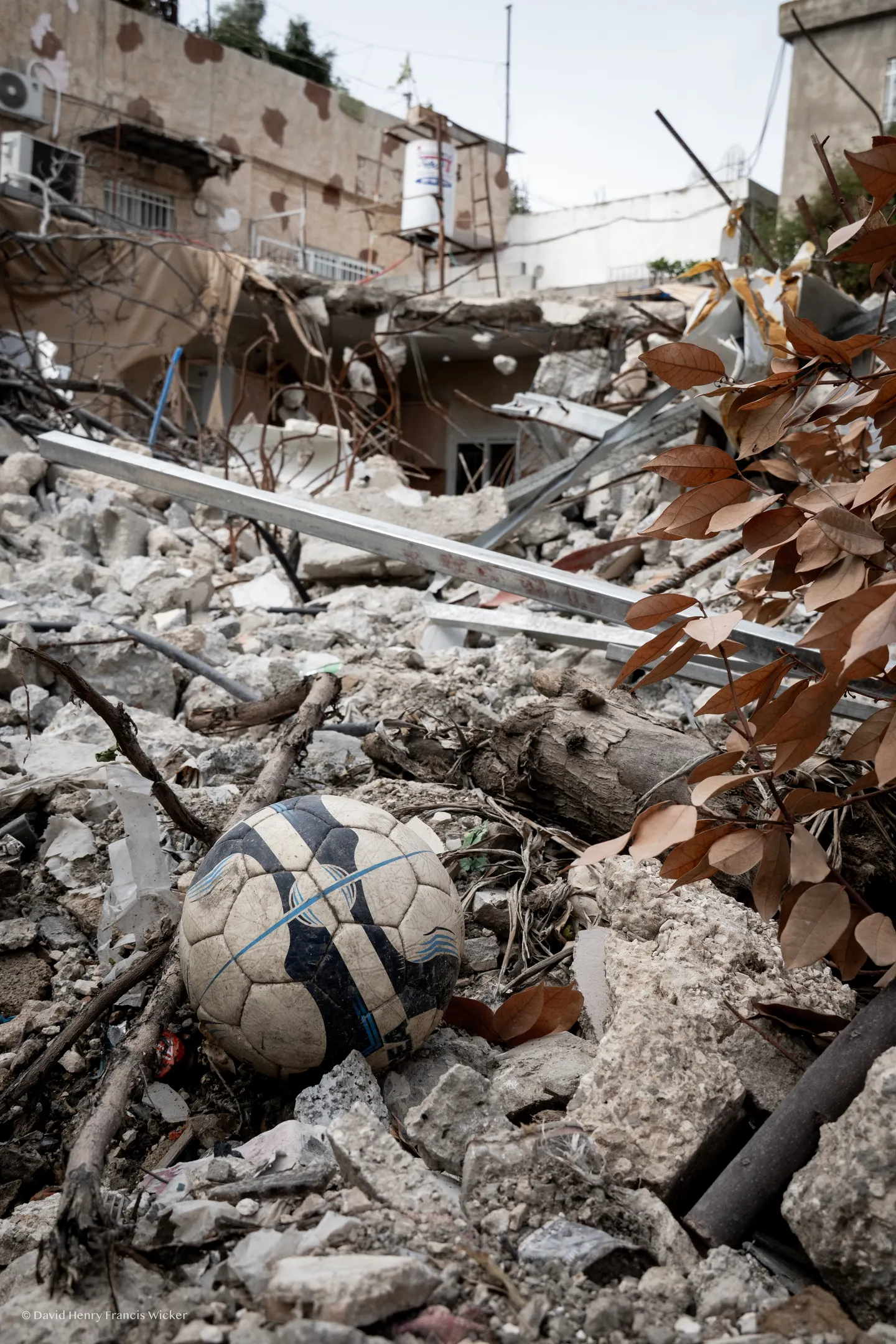
A worn football rests among the remains of a demolished home in Silwan.
The aftermath, held in one ordinary object. Silwan, East Jerusalem.
04GovernanceBoardFFIPP-Europe

Board member, FFIPP-Europe

The European network of Faculty for Israeli-Palestinian Peace: students and academics working for an end to the occupation and a just peace. It runs a summer programme of orientation and internships with organisations in Israel and Palestine; its board is drawn from former participants.

05Where it started2019–21Turin and across Europe

Fridays for Future

Founded the Turin group, helped build the Italian and international networks, and organised strikes from 2019 on.

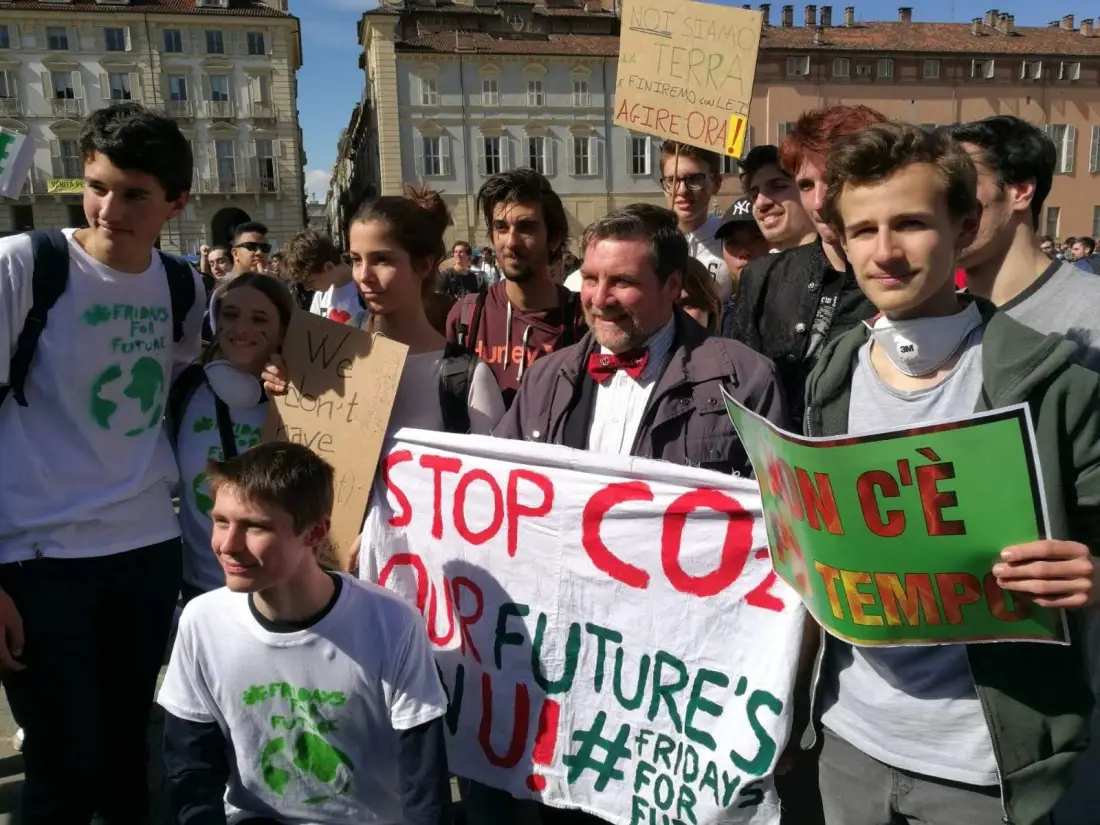
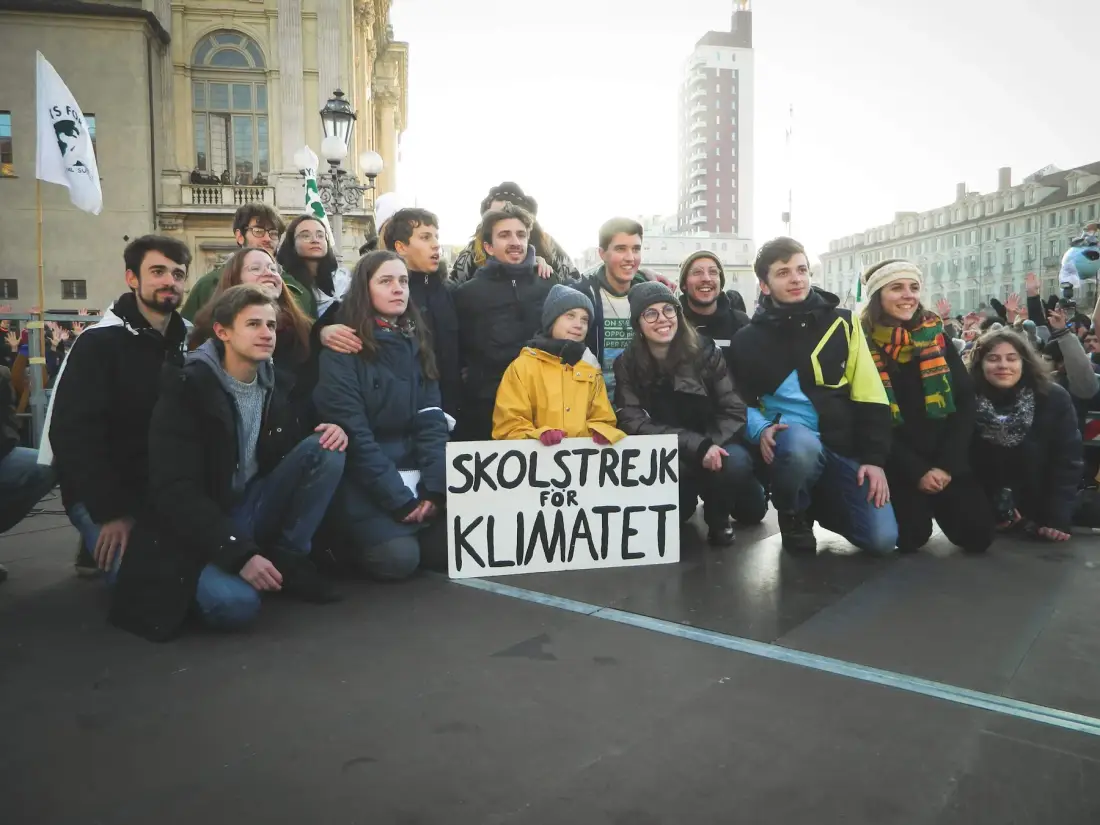
With a group of university students I started the weekly strikes in Turin. It grew quickly: national coordination, an international network, and a year of strikes, meetings and actions across Europe.

  1. Jan 2019Founded Fridays for Future Turin with university students; strikes every Friday.
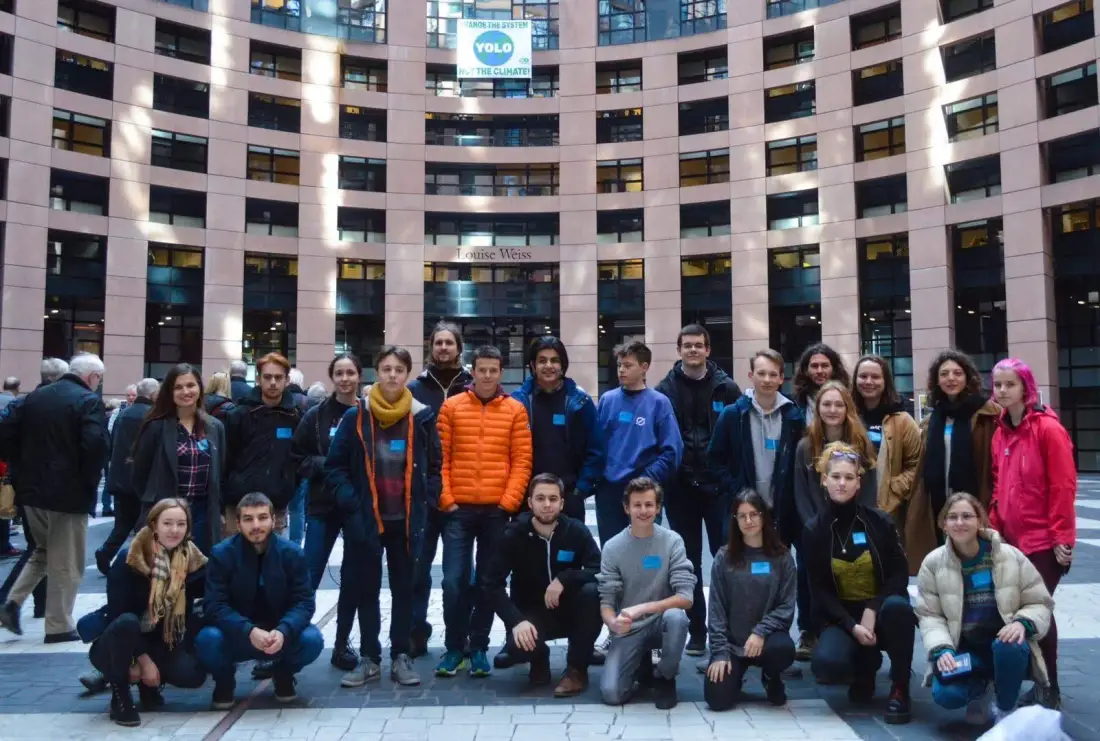
  2. Mar 2019With Miriam Martinelli and Vincenzo Mautone, represented Italy at a meeting in the European Parliament in Strasbourg, drafting the movement’s first charter of goals.
  3. 15 Mar 2019On the international committee for the first global strike, and organised Turin’s: more than 30,000 people.
  4. Spring 2019Helped set up the Italian coordination and the international network, including their first websites and channels.
  5. Apr 2019Part of the small delegation that met Greta Thunberg and the President of the Senate in Rome, alongside a strike of more than 50,000 in Piazza del Popolo.
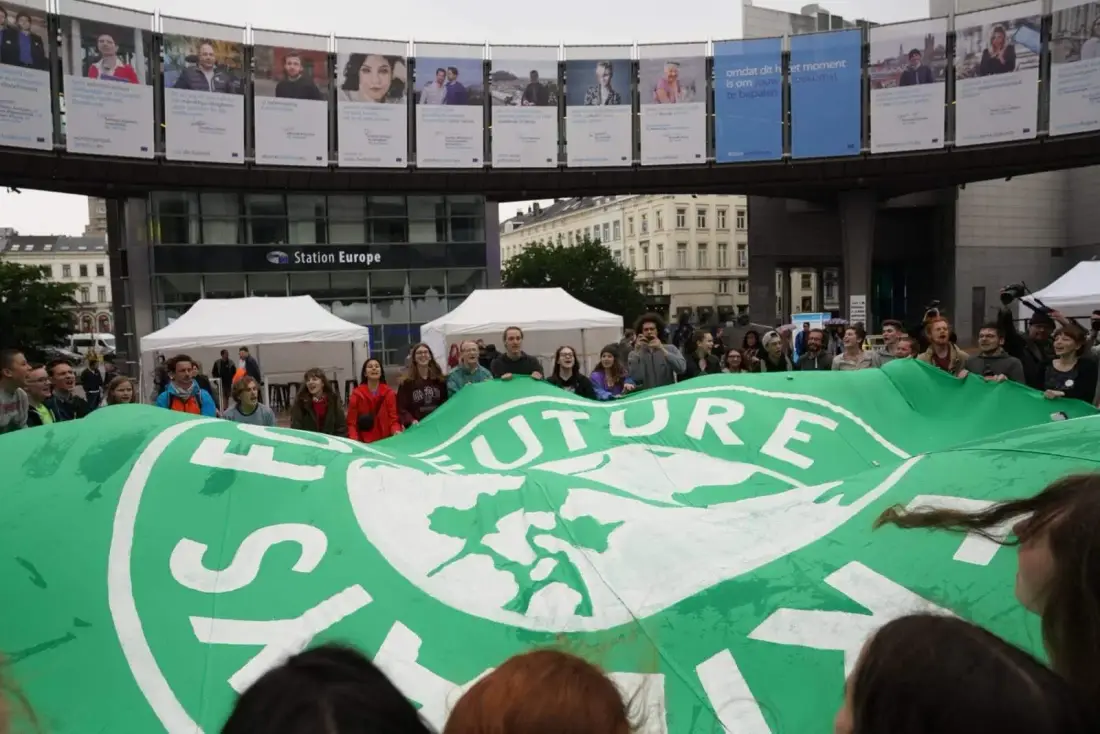
  6. May 2019Invited to the strike in Brussels before the European elections; we camped at the entrance of the Parliament, and some of us were arrested.
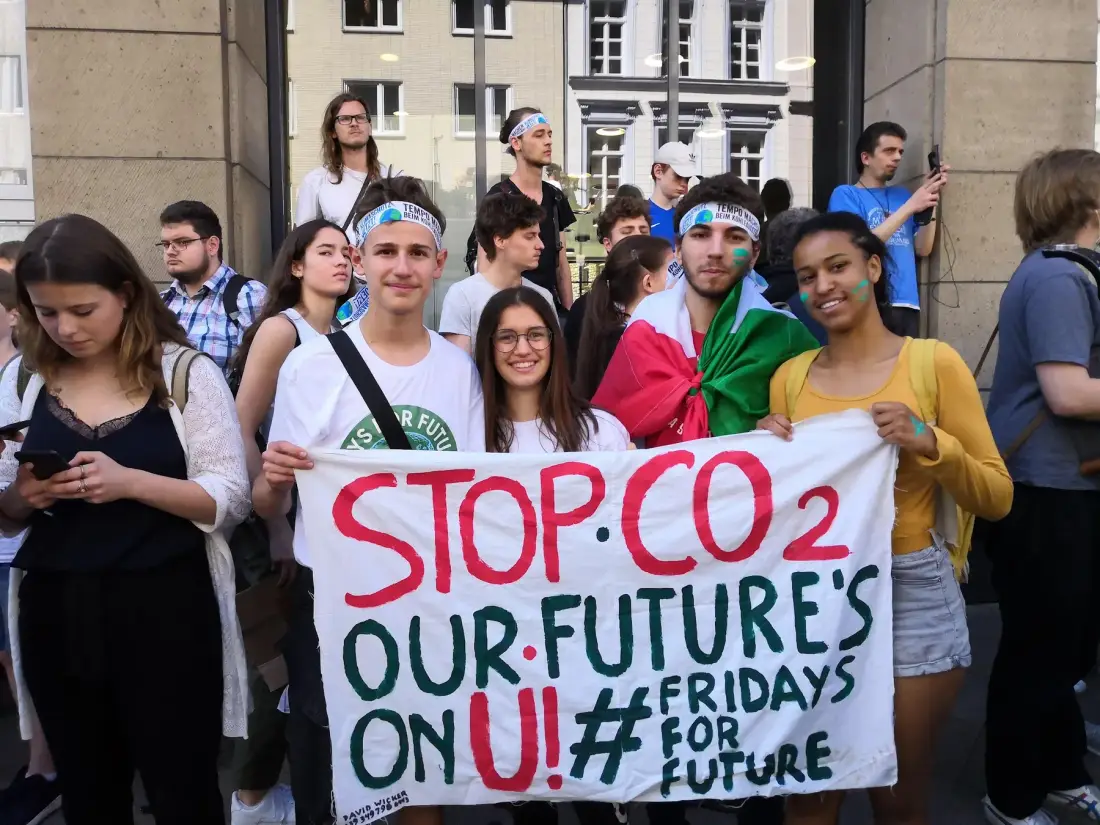
  7. Jun 2019Led the Italian delegation of 30 to the first international strike in Aachen, by bus through Basel.
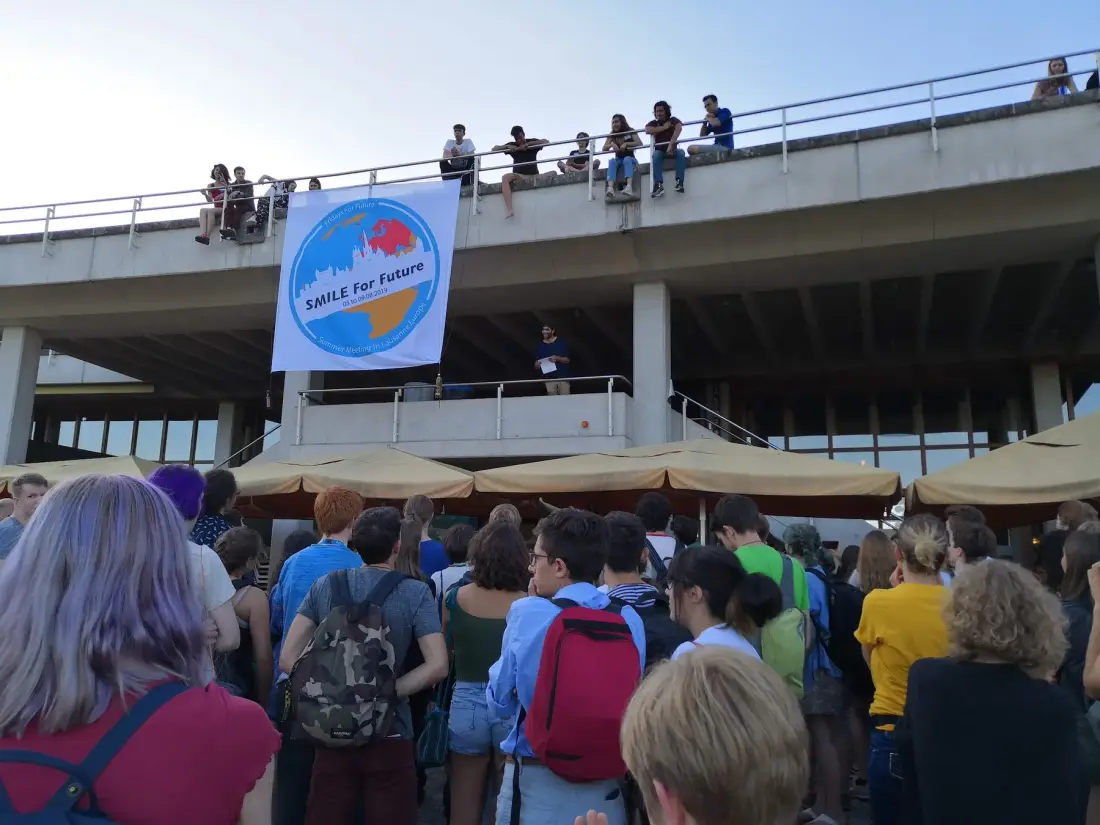
  8. Aug 2019Helped organise the second international meeting in Lausanne, named it SMILE, and ran the selection of the Italian delegation.
  9. 2019Co-wrote climate-emergency motions for my hometown, Buttigliera Alta, and for Turin. Both passed.
  10. Dec 2019Organised Greta Thunberg’s stop at the Friday strike in Turin in two days: a stage, sound and the police liaison.
A Fridays for Future strike in Turin.
Activists at the European Parliament in Strasbourg.
The international strike in Aachen.
Tents at the entrance of the European Parliament in Brussels.
The SMILE meeting in Lausanne.
Greta Thunberg at the strike in Turin.

No student, family or case is named or pictured on this page. Outcomes in this work are collective: they belong to the students, the universities, the public bodies and the volunteer networks that made them happen.